
The Resume Is Dead: Why Skills-Based Hiring is the Future
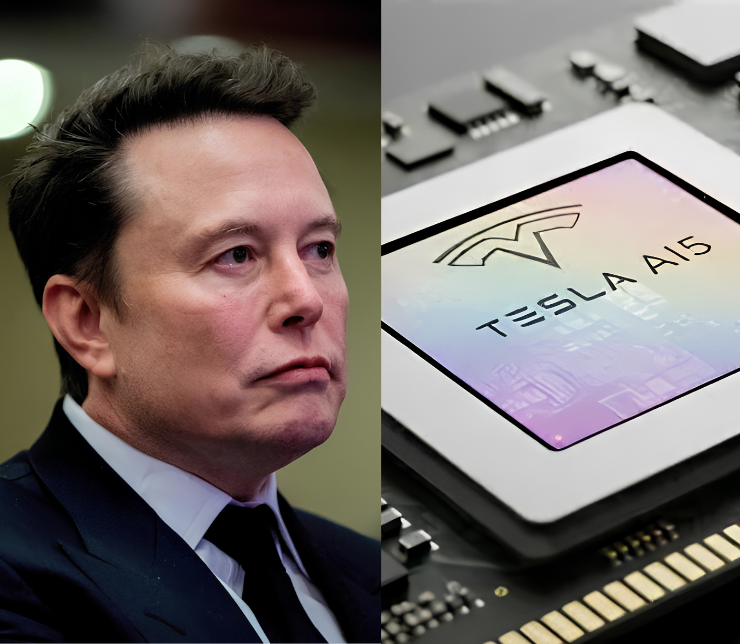
It takes hours — sometimes an entire weekend — to craft the perfect resume and cover letter. You carefully polish every bullet point, tailor each line to the job description, and hit send… only for a recruiter to spend six seconds skimming it before moving on. Now, one of the world’s most high-profile CEOs is calling time on the whole exercise.
Elon Musk recently announced that anyone hoping to join his AI5 chip design team — the group tasked with restarting work on Tesla’s ambitious Dojo3 supercomputer project — should skip the resume and cover letter entirely. In its place? Just three bullet points describing the toughest technical problems they’ve ever solved.
“The resume may seem very impressive, but if the conversation after 20 minutes is not ‘Wow,’ you should believe the conversation, not the paper.”
— Elon Musk
It’s a bold move — but not a surprising one from Musk, who has consistently favored direct demonstration of skill over the theatre of credential-listing. It also reflects a seismic shift underway across the broader hiring landscape.
AI Is Making Every resume look the Same
The uncomfortable truth about the modern hiring process is that AI has effectively broken the resume as a screening tool. Candidates now use AI tools to generate polished, keyword-optimized applications at scale — bypassing automated tracking systems, eliminating spelling errors, and producing documents that look virtually identical to one another.
Hiring expert John Sullivan, recognized by Fast Company as the “Michael Jordan of hiring,” put it bluntly: when every resume is flawless, the volume of applications recruiters must wade through becomes unmanageable. The signal is lost in the noise.
Sullivan goes further, arguing that the resume was already a poor predictor of on-the-job performance long before AI arrived. In his experience working with companies like Agilent Technologies and HP, it was often the highest performers who had the weakest resumes — because they were too busy delivering exceptional work to update a career document.
By the Numbers
Skills-Based Hiring Is Surging
73% of companies now use skills-based assessments during hiring (TestGorilla, 2023)
That’s up sharply from just 56% the previous year
The shift is accelerating as AI commoditizes traditional application materials
The Rise of Skills-Based Hiring
What Musk is doing with his three-bullet-point approach is actually the leading edge of a much larger movement. Nearly three-quarters of companies globally have already integrated skills-based assessments into their hiring process, a figure that has climbed dramatically in just a couple of years.
Rather than asking “where did you work?” or “what degree do you hold?”, skills-based hiring asks the only question that truly matters: Can you actually do this job? It’s a shift that benefits everyone — candidates who have built real expertise outside conventional pathways, and employers who genuinely need to find the best person for the role rather than the best resume writer.
This trend has profound implications for both job seekers and the companies hiring them. For candidates, it means the way you present yourself — and to whom — matters more than ever. For employers, it means rethinking not just how you screen applicants, but how you find them in the first place.
What This Means for You
Whether you’re a professional looking for your next opportunity or a company trying to build a great team, the rules of the game are changing fast. The organizations that will win — on both sides of the hiring table — are those that adapt now rather than later.
At SrutaTech, we work with both candidates and employers to navigate this evolving landscape. If you’re a job seeker, our team can help you identify and articulate your real-world skills in the formats that modern recruiters actually respond to. If you’re an employer, we can help you design hiring processes that surface true talent — not just great document writers.
The resume had a good run. For decades, it served as the standard shorthand for professional competence. But the combination of AI-generated applications and a broader reckoning with what credentials actually predict has exposed its limits. Elon Musk is simply saying out loud what many recruiters have quietly believed for years.
The future of hiring is about demonstrating what you can do — not describing it. Three bullet points about your hardest problems solved may tell a recruiter more than three pages of polished career history ever could.
The question for everyone — job seeker and employer alike — is whether they’re ready to adapt to that reality.
